Sign out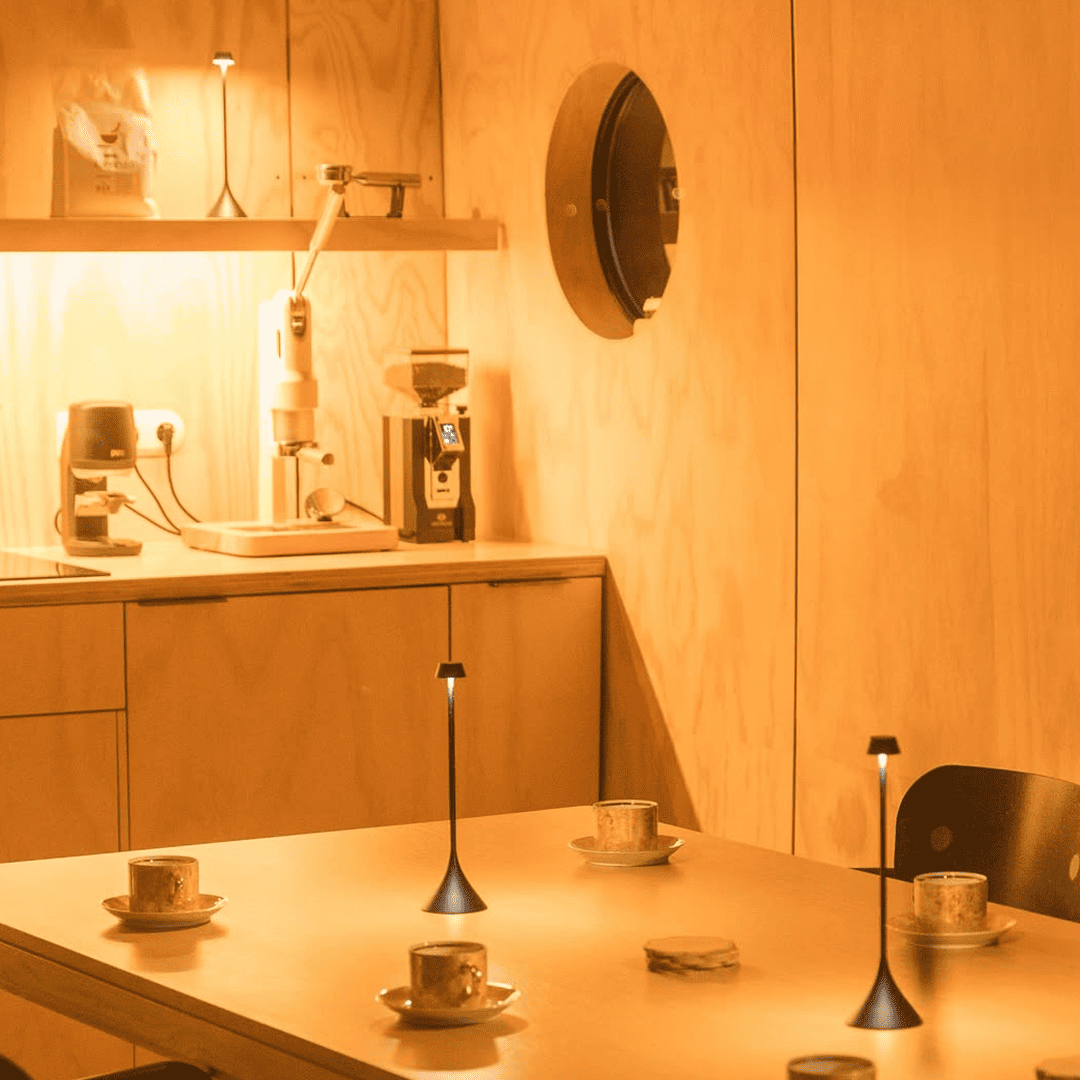
LEXON Steli’s Connected Design: Let Light Respond to Each Other
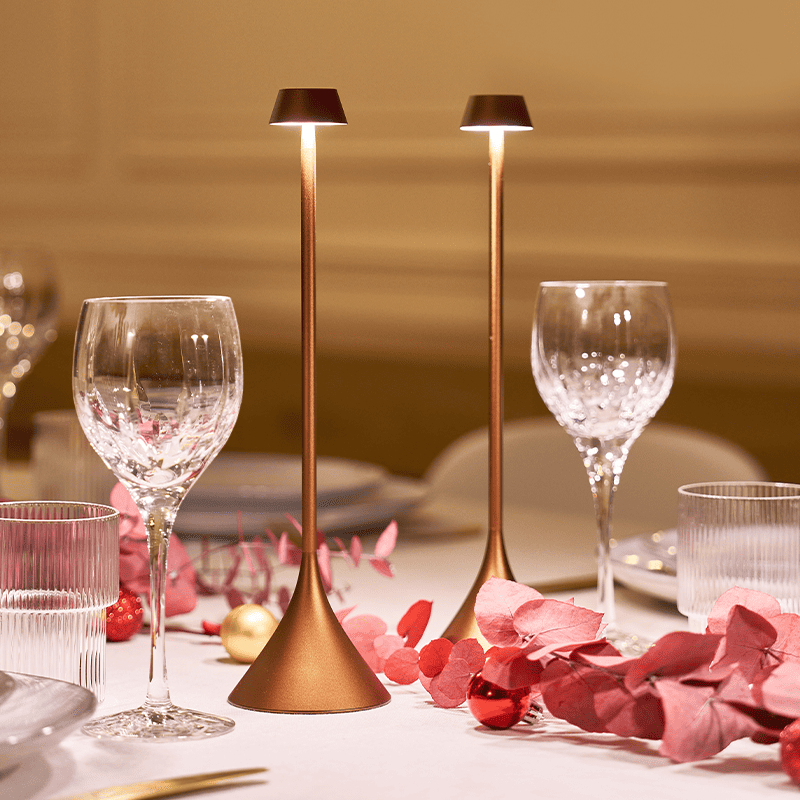
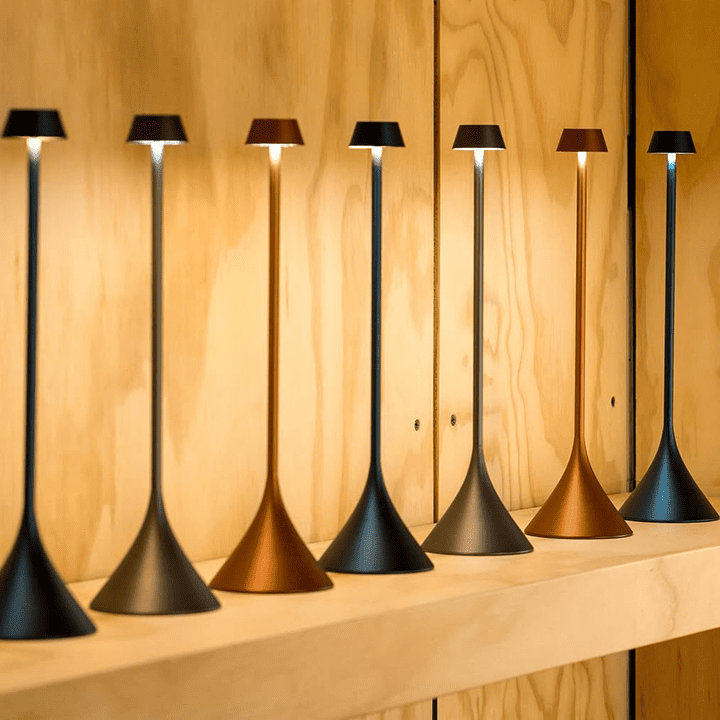
More Than Just a Lamp Most lighting still relies on a single source, limiting light to a fixed area and making it difficult to extend its reach across a space. As life shifts from work, to dining, to relaxation, a single light often cannot meet diverse needs. Light is not just something we see; it affects the feel and flow of a room. Designing ways for light to interact across different positions has become a new approach to spatial lighting. When Light Begins to Interact The core of LEXON Steli lies in the synchronized connection of multiple lamps. By operating the lamp itself, users can adjust color and brightness across several Steli units simultaneously—no app or complicated setup required. When one lamp is adjusted, the others follow, creating a continuous visual effect. Light transitions from a single point to a diffused system, intuitively building a personalized lighting environment.
From Color to Mood Steli offers 9 LED colors and adjustable brightness, all controlled via the lamp’s top touch interface. Reading, relaxing, or setting an ambient mood can be switched instantly. When multiple lamps are synchronized, light is no longer confined to a single spot—it flows through the entire space, forming a cohesive atmosphere that naturally adapts to each life scenario, enhancing visual and emotional harmony. Creating Atmosphere Across Space With an aluminum body for both durability and premium feel, Steli features IPX4 splash resistance, allowing use on balconies or outdoors. It supports USB-C and wireless charging, with up to 10 hours of battery life for freely movable lighting. Connected lamps integrate seamlessly into your daily routines, and from the tabletop to the whole room, light gradually forms a continuous, interactive, and harmonious spatial ambiance.